Ants & cockroaches
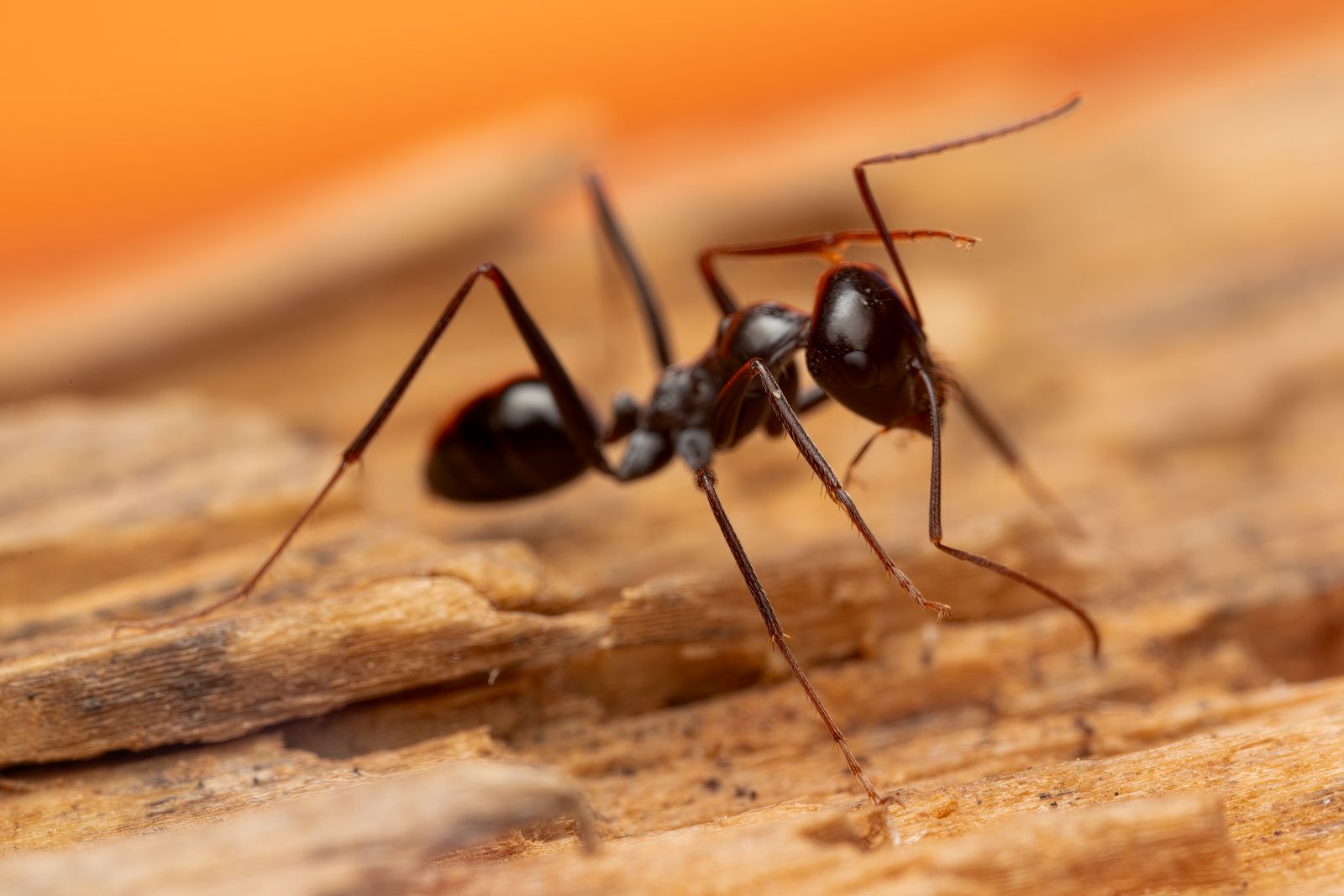
Kitchens, pantries and damp areas can provide food and shelter. Treatment may combine attention to trails or hiding places with reducing the conditions that support ongoing activity.
Household pest control
From ants near the pantry to cockroaches in a damp utility area, household pest activity often follows food, moisture and entry points. Explore targeted treatment for supported pests and practical ways to make your home less inviting.
Call (928) 213-8204Connect with an independent provider. Services vary by location.
Household pest control services
The pest involved and the locations of activity help shape treatment. Available pest types and methods vary by participating provider.
Kitchens, pantries and damp areas can provide food and shelter. Treatment may combine attention to trails or hiding places with reducing the conditions that support ongoing activity.
Small openings around utility penetrations and building edges can provide access. Assessment can focus on entry points, signs of indoor activity and appropriate treatment or exclusion measures.
Spiders, house crickets, earwigs, silverfish, clothes moths, centipedes and millipedes can appear in different parts of a home. Identification helps guide a targeted response.
Mud tubes, discarded wings or changes in wood may call for a termite assessment. Inspection and treatment approaches depend on the termite activity, structure and participating provider’s services.
A closer look
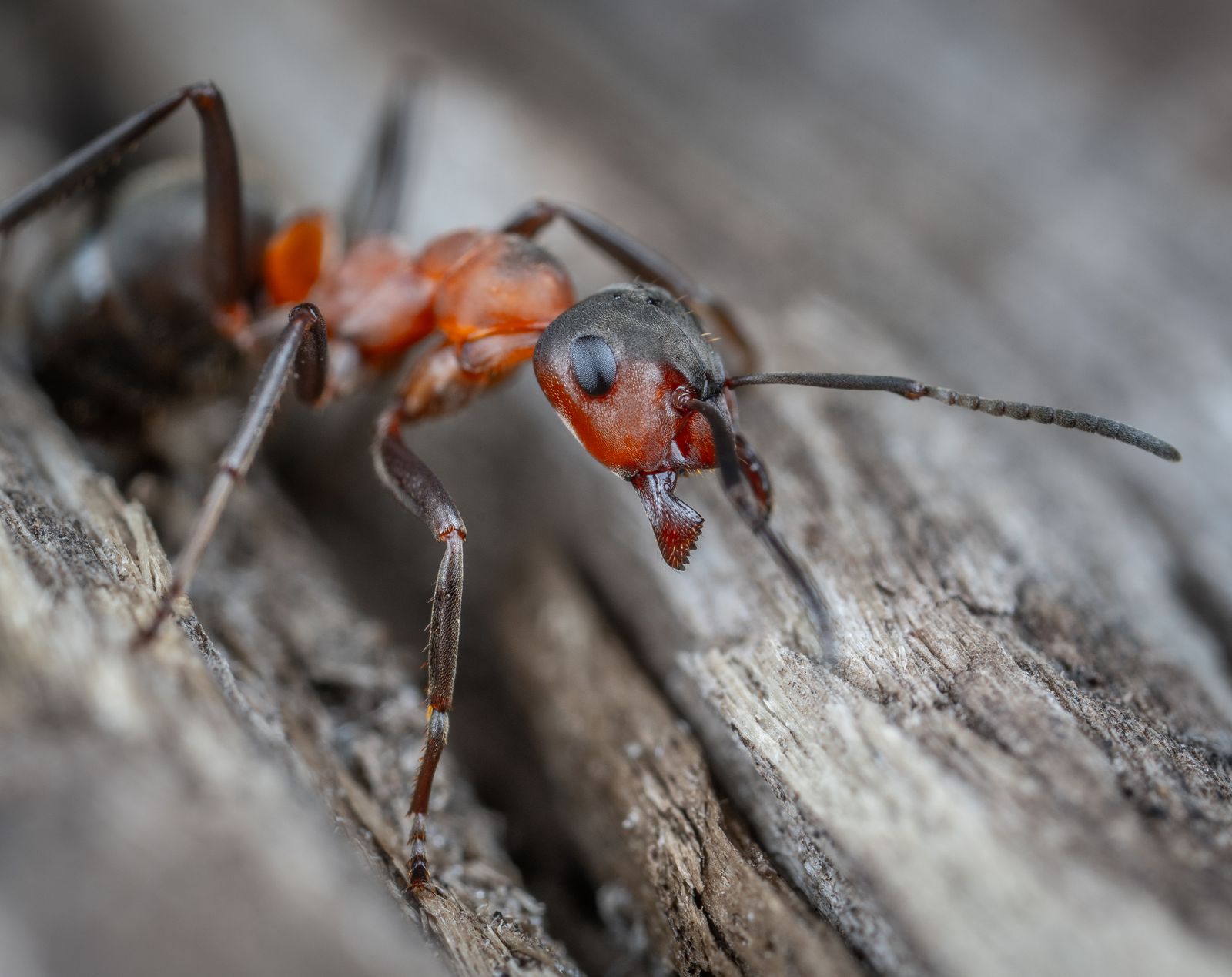
Household pest control works best when the treatment fits the pest and the home’s conditions. Removing food residue, controlling excess moisture and reducing entry opportunities can support the treatment plan.
In your home
Cabinet edges, plumbing penetrations, storage areas and door thresholds provide useful clues. Moisture and accessible food can support recurring activity even after a treatment.
Useful things to know
Wipe spills, clear crumbs and empty waste regularly. Pay attention to the spaces under appliances and inside lower cabinets.
Reduce clutter and keep stored textiles clean and dry. Inspect quiet storage corners when you notice silverfish or clothes moth activity.
Dampness attracts several supported household pests. Check for persistent moisture near plumbing and small openings around doors or utility lines.
Your questions
Supported categories are ants, spiders, cockroaches, house crickets, mice, earwigs, silverfish, clothes moths, centipedes, millipedes and termites. Actual coverage varies by provider.
Food residue, accessible pantry items, moisture and entry paths can sustain activity. Treatment and prevention should address the conditions supporting the trail.
Possible signs include mud tubes, discarded wings and changes in wood. A termite assessment can help identify the activity and determine suitable next steps.
Requirements depend on the method and products used. Follow the provider’s specific product, access and re-entry instructions, including guidance for children and pets.
Let’s get your project moving
Discuss supported pest treatment with a participating independent provider in your area.